Ntrumoc25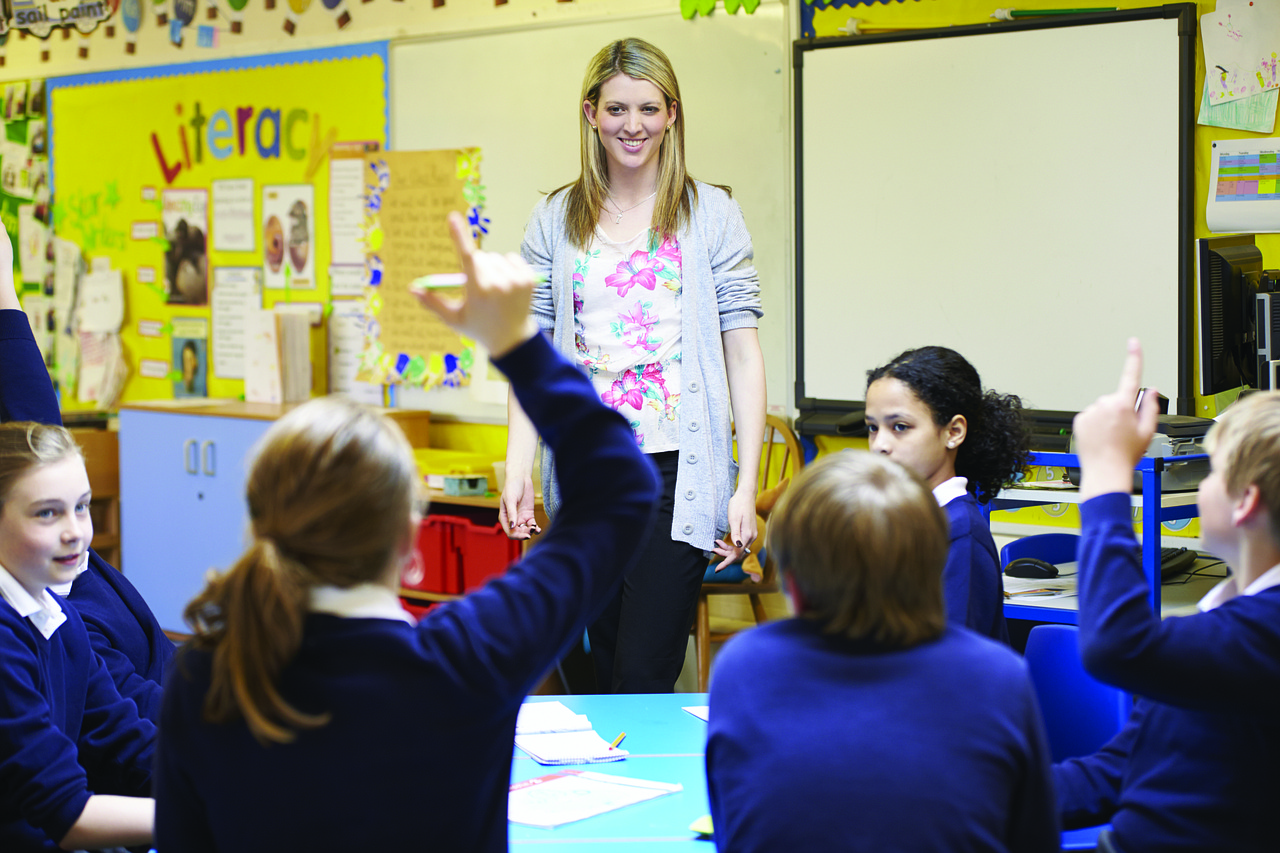
The first day of school is a key moment to set the year’s tone. How you connect with your students can shape their view, interest, and success. But, what strategies can make your first-day talks truly powerful?
This guide will cover the key methods and best practices for a great first day. You’ll learn how to make a good first impression, introduce yourself well, and explain what students will learn. By the end, you’ll know how to make your first-day talks boost student success.

Key Takeaways
- Make a good first impression with your clothes, classroom setup, and how you greet students before class.
- Introduce yourself by sharing your expertise, how you teach, and your love for the subject.
- Be clear about what students will learn and what’s expected of them to help them succeed.
- Use fun icebreakers and activities to help students get to know each other.
- Show you’re approachable, welcoming, and dedicated to helping students grow.
Orchestrate Positive First Impressions
Your first meeting with students can shape the whole course. From what you wear to how the classroom looks, every detail matters. These things help shape how students see you and their interest in learning. By planning these things, you can make a good first impression. This helps create a place where everyone works well together and learns a lot.
Your Attire
Studies show that what you wear affects how people see you. Wearing formal clothes shows you know your stuff and are confident. At the same time, casual clothes make you seem more friendly. Pick an outfit that fits your teaching style and what the course expects.
The Physical Environment
How you arrange the chairs in the classroom tells students if the course is serious or relaxed. Rows mean it’s formal, circles or u-shapes suggest a casual vibe with more student talk. Make the classroom setup match your teaching goals and how much you want students to join in.
Your Use of the Few Minutes Before Class
Saying hello to students as they come in makes you seem more approachable. But showing up late or in a rush looks like you’re not organized. Take a moment to greet your students and set a positive class tone.
“The key to creating positive first impressions as an educator lies in the thoughtful curation of your attire, the physical classroom setup, and your interactions with students before the lesson even begins.”
By carefully planning these things, you can make a classroom that’s great for learning. It also builds trust, respect, and engagement from the start.
Introduce Yourself Effectively
On the first day of school, your main goal is to introduce yourself effectively to your students. This first meeting sets the mood for the whole year. It’s key in establishing your authority and building rapport with the class.
Start by telling a little about your background and qualifications. Mention your teaching experience, degrees, and any special training you have. This shows you know what you’re doing and establishes your authority as a teacher.
Then, talk about how formal or casual you like the classroom to be. Let students know if you prefer a laid-back or professional atmosphere. This helps them know how to act around you and builds rapport by setting clear rules.
It’s also important to say how you’re available to help your students. Tell them when you’re in the office, how they can contact you (like by email or in class), and how you’re all about their success. This shows you care about their learning and nurtures positive relationships.
Your introduction should be to the point but still give students a good idea of who you are and what they can expect. By being both professional and friendly, you can introduce yourself, establish your authority, and build lasting rapport with your students.
Clarify Learning Objectives and Expectations
It’s key to set clear learning goals and expectations for your students. This helps guide them to success in your course. By outlining what they need to know before starting and what you expect from them, you make learning easier and more fun.
Describe the Prerequisites
Start by explaining what your students need to know before they begin. This makes sure they’re ready and can join in the learning. Give a quick summary of what knowledge and skills they should have.
Highlight Main Aspects of the Syllabus
Then, go over the main parts of your course. Talk about what you want them to learn, how the course is structured, and how you’ll check their progress. Explain why you chose this structure and how it helps reach the course goals.
Explain Expectations for Student Behavior
Lastly, tell your students what you expect from them in class. Share the rules, how you want them to take part, and any other important guidelines. Encourage them to really get into the material and join in class talks and activities.
| Key Considerations | Strategies for Success |
|---|---|
| Course Objectives |
|
| Syllabus Clarity |
|
| Student Behavior Expectations |
|
By making sure you’ve clarified what you want your students to learn and how you want them to behave, you’re setting them up for success. This creates a lively and effective learning space.
Help Students Learn About Each Other
On the first day of class, it’s key to make a space that encourages student introductions and builds community. Using icebreakers is a great way to do this. These activities boost energy and support collaborative learning. They also set the tone for the semester’s interactions and teamwork.
Icebreakers to Raise Energy Levels
Start with a fun icebreaker, like having students share a cool fact about themselves. This breaks the ice and makes everyone feel more at ease. Or, pair students up for interviews, then let them share what they learned with the class.
- Concentric Circles: Arrange students in two concentric circles, with the inner circle facing outward and the outer circle facing inward. Have students introduce themselves to the person directly across from them, then rotate the outer circle to the left or right to create new pairs for the next round of introductions.
- Name Game: Challenge students to see how many of their classmates’ names they can remember. Offer a small prize or recognition for the student who can name the most people.
- Two Truths and a Lie: Ask students to share two true statements and one false statement about themselves, and have the class try to guess which one is the lie.
These icebreakers make students feel more at ease, energized, and ready to connect with their peers.
“Collaborative learning experiences that are active, social, contextual, engaging, and student-owned can lead to deeper learning opportunities for students.”
Set the Tone for the Course
The way you connect with your students on the first day sends a strong message. It shows how much you value their participation and interaction. By starting with the activities planned for the semester, you set the stage for a great teaching style. This approach boosts student engagement and shapes a positive class culture.
Start by showing your excitement for the subject and your dedication to a dynamic learning space. Ask students to share their interests and past experiences. This can give you insight into what motivates them and how they learn best.
- Use interactive activities like drawing or concept maps to get students involved with the material. This helps them express their initial thoughts.
- Include a review game or discussion questions to check their knowledge and start conversations. This connects the course to their own lives.
- Show that you’re approachable and ready to help them. Encourage them to ask questions and seek help when needed.
Creating a collaborative, student-focused classroom from the start sets the right tone. It encourages engagement, curiosity, and excitement for the course.
“Establishing a positive tone on the first day of class cements the atmosphere for the entire school year.”
Your actions and attitude on the first day shape the class culture for the semester. By being enthusiastic, friendly, and supportive, you set the stage for a successful year.
| Metric | Percentage | Insight |
|---|---|---|
| Concerns about assignments | 67% | Indicates a need for clarification and support |
| Excitement towards assignments | 82% | Highlights potential areas of engagement |
| Interest in specific course topics | 45% | Suggests areas for focused discussions or activities |
| Anticipated challenging weeks | 63% | Suggests the need for additional preparation or support |
| Questions about academic integrity | 78% | Emphasizes the importance of clear guidelines and communication |
Collect Baseline Data on Students’ Knowledge and Motivation
As a teacher, it’s key to know what your students know and why they want to learn. This helps you make lessons that really speak to them. By seeing where they start, you can build on what they know and help them where they need it most.
Collect Data About Baseline Knowledge
Start by checking what your students already know. You can use a pre-test or have them fill out a questionnaire. This tells you how much they understand now. It helps you plan lessons and set goals that are realistic.
Get a Sense of Students’ Motivation
It’s also vital to know why your students want to learn. Talk to them or have them answer a survey. Find out what they hope to gain, what they’re looking forward to, and what might be hard for them. This lets you make a class that matches their interests and helps them grow.
| Baseline Data Collection Strategies | Potential Insights |
|---|---|
|
|
By gathering this data, you can shape your teaching to meet your students’ specific needs. This makes learning more engaging, motivating, and helps them grow.

“Effective teachers use data to drive their instruction, identify areas of need, and monitor student progress. Collecting baseline data is the first step in this process.”
Interact with Students to Build Relationships
As an educator, it’s key to build strong relationships with your students. Greeting them warmly and using a seating chart helps you learn names and connect with them. This builds a supportive classroom environment.
Greet Every Student Warmly
When you greet students by name, you make them feel welcome. A simple “Good morning, [Student’s Name]” shows you care. This builds a positive classroom vibe and strengthens student-teacher relationships.
Use a Seating Chart Initially
A seating chart helps you learn names and connect with students early on. Think about group dynamics and individual needs when assigning seats. This way, you can get to know students better and tailor your teaching to their needs.
| Relationship Building Strategies | Benefits |
|---|---|
| Greeting students warmly | Establishes a welcoming environment and helps learn names |
| Using a seating chart | Facilitates personal connections and informs classroom management |
| Learning about students’ interests and strengths | Enhances understanding and supports a positive classroom community |
| Providing positive feedback to students and parents | Strengthens the teacher-student relationship and supports academic progress |
These strategies help you build strong student-teacher relationships. They create a supportive classroom community and improve classroom management right from the start.
Foster Classroom Community
Building a strong classroom community is key for students to do well. It builds trust, care, and a feeling of belonging. As the teacher, you are crucial in creating this community from the first day.
Share Something About Yourself
Start by sharing who you are with your students. Talk about your background, hobbies, or what made you want to teach. This makes you seem more real and not just a boss.
By being open, you encourage your students to share too. This helps create real connections.
Explain the Classroom Space
Take time to show your students around the classroom. Point out the resources like the whiteboard, tech, or places to work together. Explain how things are set up and ask students to take care of their spots.
This approach shows teacher transparency and classroom organization. It makes students feel at ease and in charge in the classroom community.
Sharing about yourself and the classroom makes it a welcoming place. This helps create a strong community feeling from the beginning. It sets the stage for good teamwork, sharing, and student involvement all year.

“Building and maintaining a classroom community requires continuous effort, regardless of existing trust levels.” – Dave Cormier, “12 Key Ideas: An Introduction to Teaching Online”
| Classroom Community-Building Activity | Success Rate | Duration | Student Engagement |
|---|---|---|---|
| Spaghetti Tower Competition | 100% | 1 class period | 100% |
Activities like the spaghetti tower challenge can really help build a classroom community. Students work together, making friends and feeling closer to each other and the classroom.
- Use group tasks that don’t matter much to encourage teamwork early on.
- Have daily talks, time for thinking alone, and setting goals to improve talking and thinking skills.
- Work on connecting students of all kinds and making sure everyone feels welcome.
Creating a strong classroom community right away makes the school year better. By sharing your story and showing students around, you help build strong relationships, active participation, and a supportive place to learn.
Conclusion
The first day of school is key to the whole year’s success. Teachers can make a positive classroom by connecting well with students. This helps students learn and stay interested all semester.
Teachers can make a good first impression and build strong relationships. This helps create a caring classroom community. The tips in this article help teachers improve their interactions with students. This makes the school year better for everyone.
Teachers can start the year by setting clear goals and getting to know their students. This approach helps students grow in both academics and personally. It also makes teachers feel more ready and confident for the year ahead.
The first day of school is a chance to build a strong foundation for the year. By connecting well with students, teachers can create a supportive classroom. This leads to better learning, classroom management, and success in school.
When you welcome your students, focus on making the classroom positive and welcoming. Good interactions with students help build a strong community. They also create lasting relationships and set the stage for a great academic year. Use the first day to make a lasting impact on your students.
FAQ
What are the key things to focus on during the first day of school?
On the first day, teachers should aim for positive first impressions. They should introduce themselves well and make learning goals clear. It’s important to help students meet each other and set a positive classroom tone.
Collecting data on students’ knowledge and motivation is key. Building a classroom community is also crucial.
How can teachers make a good first impression on the first day?
Teachers can make a strong first impression by thinking about their clothes and classroom setup. Wearing formal clothes shows expertise and confidence. Arranging desks can show if the class will be formal or open.
Welcoming students warmly also makes a great first impression.
What should teachers include in their self-introduction?
Teachers should keep their self-introduction brief but informative. It should cover their qualifications, preferred classroom atmosphere, and how they’re available to students. Sharing too much personal info can undermine their authority.
How can teachers clarify learning objectives and expectations on the first day?
Teachers should clearly share learning goals, course requirements, and the course outline. Mentioning prerequisites prepares students. Explaining classroom behavior sets a positive tone.
What are some strategies for helping students get to know each other on the first day?
Using icebreakers can make students feel at ease and ready to engage. Tailor these activities to fit the course to help set the stage for future interactions.
How can teachers set the right tone for the course on the first day?
The way teachers connect with students on the first day sets the tone for the course. Starting with the semester’s planned activities can establish the right mood and direction.
What baseline data should teachers collect on the first day?
Collecting baseline knowledge and motivation data helps tailor the course. This can include pre-tests, self-reports, and discussions on why students are there and their challenges.
How can teachers build relationships with students on the first day?
Saying hello warmly and using a seating chart helps teachers learn names and connect with students. These simple steps create a welcoming classroom.
How can teachers foster a sense of classroom community on the first day?
Sharing personal stories and explaining the classroom setup makes students feel at ease and connected. This builds a sense of community and belonging, key for student success.