Ntrumoc25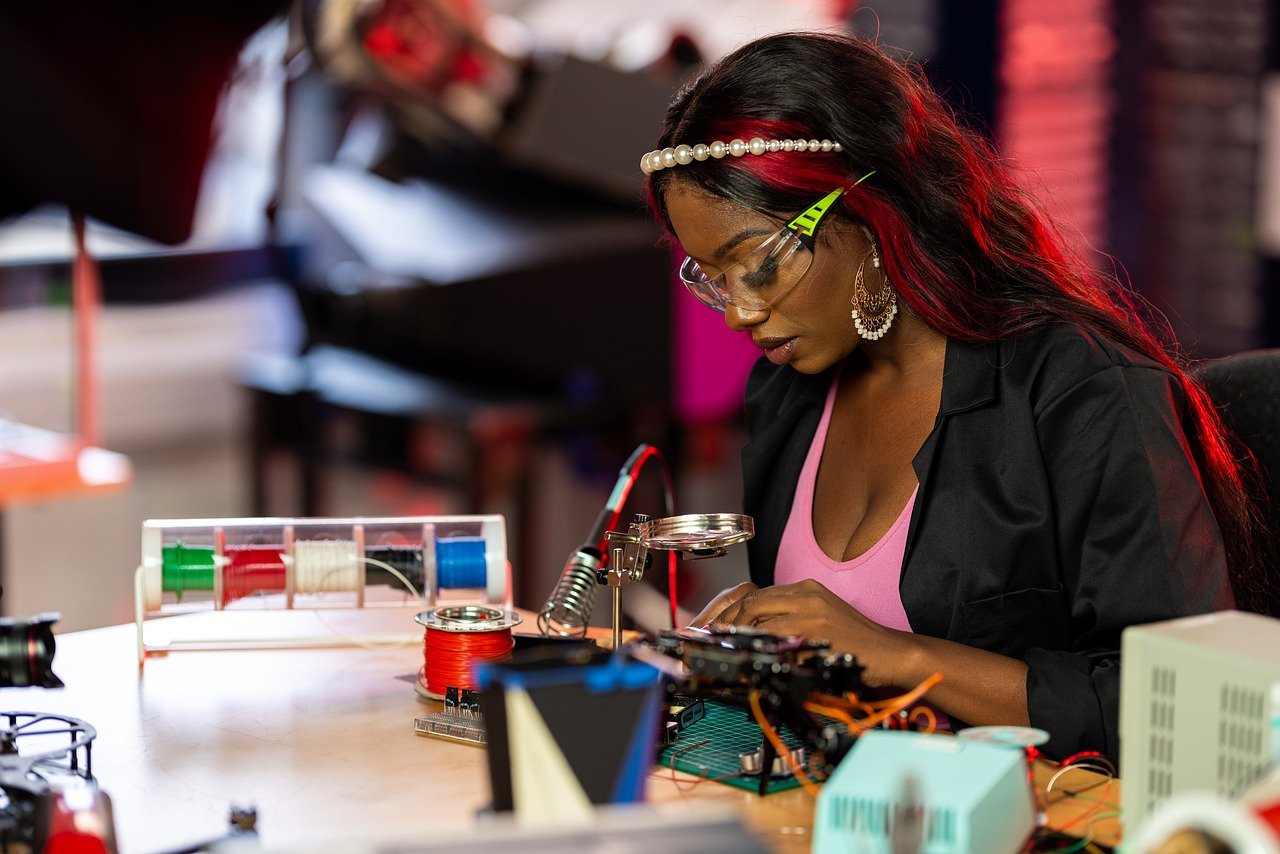
Teaching Industrial-Technology Education in today’s fast-paced, tech-driven world presents both exciting opportunities and unique challenges. As technology continues to evolve, educators must find innovative ways to engage students and prepare them for future careers in various technical fields. This post explores strategies and tips for making Industrial-Technology Education not only relevant but also inspiring and enjoyable for students.
The Importance of Industrial-Technology Education
First and foremost, let’s understand why Industrial-Technology Education is vital. This field combines practical skills with theoretical knowledge, equipping students with the ability to design, create, and understand the mechanics behind various technologies. It plays a crucial role in developing problem-solving skills, creativity, and critical thinking.
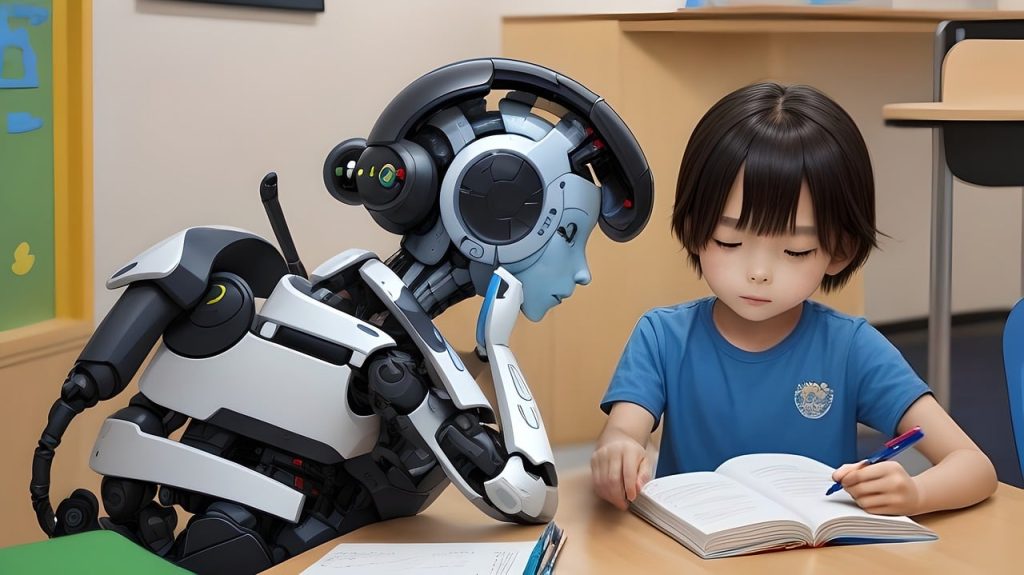
Moreover, as industries become increasingly automated and technology-driven, there is a growing demand for skilled professionals who can operate, maintain, and innovate within these sectors. By providing students with a strong foundation in Industrial-Technology Education, we are preparing them for high-demand careers and fostering the next generation of innovators.
Starting with the Basics
When teaching Industrial-Technology Education, it’s essential to start with the basics. Ensure that students have a solid understanding of fundamental concepts such as mechanics, electronics, and computer-aided design (CAD). These basics form the foundation upon which more complex skills and knowledge are built.
Begin with hands-on activities that introduce these concepts in an engaging way. For instance, simple projects like building basic circuits or creating mechanical models can help students grasp core principles. These activities not only make learning fun but also provide a tangible connection between theory and practice.
Incorporating Hands-On Learning
One of the most effective ways to teach Industrial-Technology Education is through hands-on learning. Students retain information better and are more engaged when they can actively participate in the learning process. Practical projects, workshops, and laboratory sessions are excellent ways to achieve this.
For example, integrate project-based learning into your curriculum. Have students design and build their own projects, such as small robots, model bridges, or simple machines. This not only reinforces theoretical knowledge but also develops problem-solving skills and creativity. Encourage students to experiment, make mistakes, and learn from them—this is where true innovation happens.
Utilizing Modern Technology
In today’s world, integrating modern technology into your teaching methods is crucial. Utilize tools like 3D printers, CNC machines, and advanced software to provide students with a cutting-edge learning experience. These tools not only make learning more interactive but also give students hands-on experience with the technology they will encounter in the workforce.
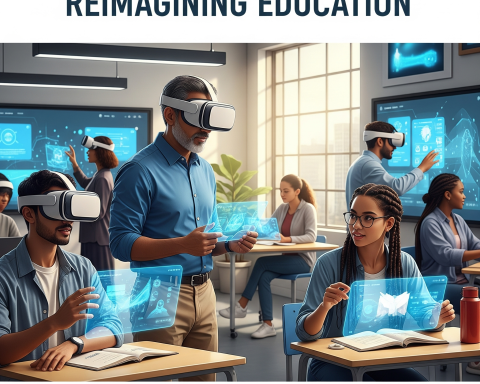
For instance, use CAD software to teach students how to design and model their projects digitally before creating physical prototypes. This approach mirrors real-world engineering processes and helps students develop important digital literacy skills. Additionally, virtual reality (VR) and augmented reality (AR) can provide immersive learning experiences that make complex concepts easier to understand.
Encouraging Collaboration
Collaboration is key in Industrial-Technology Education. In the real world, engineers and technologists rarely work in isolation; they collaborate with others to solve problems and innovate. Encouraging teamwork in the classroom not only mirrors this reality but also helps students develop essential communication and interpersonal skills.
Organize group projects where students must work together to achieve a common goal. For example, a project to design and build a functional piece of technology can be broken down into various roles and tasks, encouraging students to collaborate and leverage each other’s strengths. This collaborative approach also helps students learn to navigate challenges and conflicts, which are valuable skills in any professional setting.
Connecting with Industry
Bridging the gap between classroom learning and real-world applications is crucial in Industrial-Technology Education. Establish connections with local industries and professionals who can provide insights and real-world perspectives. Guest speakers, industry tours, and internships can offer students valuable experiences and a better understanding of potential career paths.
Invite industry professionals to share their experiences and knowledge with your students. These guest speakers can provide practical insights into how the concepts learned in class are applied in the real world. Additionally, organizing field trips to factories, workshops, or tech companies can give students a firsthand look at how their skills can be used in various industries.
Incorporating Study Skills
Teaching study skills is an integral part of helping students succeed in Industrial-Technology Education. Effective study habits, time management, and organizational skills are crucial for mastering complex concepts and completing projects.
Encourage students to create study plans and set achievable goals. Teach them how to break down complex tasks into manageable steps and prioritize their work. Additionally, provide resources and tools to help them stay organized, such as project management software or digital note-taking apps. By incorporating these study skills into your teaching, you help students become more self-sufficient and prepared for both academic and professional challenges.
Fostering Innovation and Creativity
Industrial-Technology Education is all about innovation and creativity. Encourage students to think outside the box and explore new ideas. Create an environment where creativity is valued and students feel free to experiment and take risks.
For instance, introduce design challenges that require students to come up with innovative solutions to real-world problems. These challenges can be open-ended, allowing students to explore various approaches and ideas. Celebrate creativity and ingenuity by showcasing student projects and innovations, whether through classroom displays, competitions, or school-wide events.
Supporting All Learners
It’s essential to create an inclusive learning environment that supports all students, regardless of their background or learning style. Different students have different needs, and it’s important to accommodate these to ensure everyone can succeed in Industrial-Technology Education.
Provide a variety of learning resources, such as video tutorials, written guides, and interactive simulations, to cater to different learning preferences. Offer additional support through tutoring sessions, study groups, or one-on-one mentoring. By creating a supportive and inclusive environment, you help all students develop their skills and confidence.
Keeping Up with Trends
Finally, staying current with the latest trends and advancements in technology is crucial for teaching Industrial-Technology Education effectively. The field is constantly evolving, and educators must keep pace with new developments to provide the best education possible.
Attend workshops, conferences, and training sessions to stay informed about the latest tools and techniques. Network with other educators and industry professionals to share ideas and resources. By continually updating your knowledge and skills, you can provide students with a relevant and forward-thinking education.
Conclusion
Teaching Industrial-Technology Education in today’s world is both a challenge and an opportunity. By incorporating hands-on learning, modern technology, collaboration, and effective study skills, you can create an engaging and dynamic learning environment that prepares students for future success. Remember, the goal is to inspire and equip the next generation of innovators and problem solvers. With the right approach, you can make Industrial-Technology Education an exciting and rewarding experience for both you and your students.