Ntrumoc25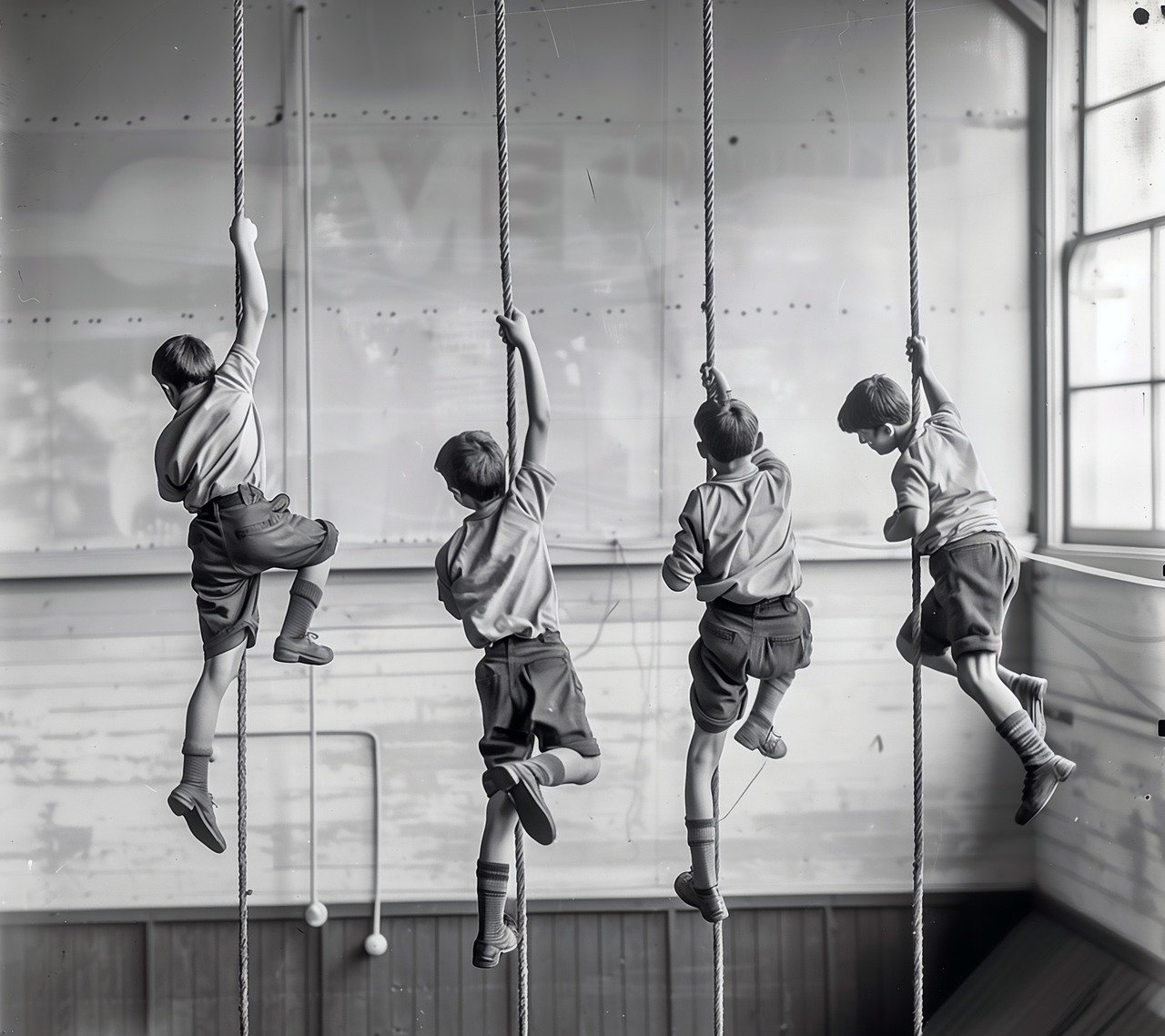
Teaching physical education is more than just getting students moving; it’s about promoting lifelong fitness habits and fostering a love for physical activity. In this blog post, we’ll explore various strategies and activities that make learning physical education enjoyable and beneficial for students of all ages.
Importance of Physical Education
Physical fitness plays a crucial role in promoting overall health and well-being among students. It helps improve physical fitness, develop motor skills, enhance coordination, and reduce stress. Moreover, physical education teaches valuable life skills such as teamwork, sportsmanship, and goal setting.
Creating a Dynamic Physical Education Curriculum
Designing a dynamic physical education curriculum involves a variety of activities that cater to different interests and abilities. Incorporate activities that focus on cardiovascular endurance, strength training, flexibility, and coordination.
Cardiovascular Endurance Activities
Cardiovascular activities are essential for improving heart health and stamina. Incorporate activities such as running, jogging, jumping rope, and dance routines. Use music to make these activities more engaging and fun for students.
Strength Training Exercises
Strength training exercises help build muscle strength and endurance. Include bodyweight exercises like push-ups, squats, lunges, and planks. Use resistance bands or light weights for older students to add variety and challenge.
Flexibility and Stretching
Flexibility exercises improve range of motion and reduce the risk of injuries. Teach students stretching techniques for major muscle groups, incorporating yoga poses or Pilates exercises. Emphasize the importance of proper form and breathing techniques.
Coordination and Balance Games
Coordination and balance games enhance motor skills and spatial awareness. Incorporate activities such as relay races, obstacle courses, balance beam exercises, and agility drills. These activities can be adapted for different age groups and skill levels.
Integrating Technology in Physical Education
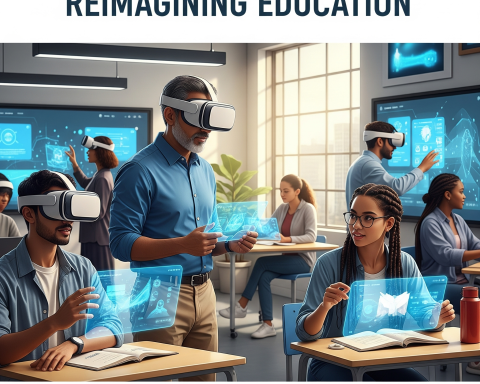
Technology can enhance the learning experience in physical education. Use fitness apps or wearable devices to track students’ progress and encourage healthy competition. Virtual reality (VR) can simulate real-world sports scenarios, providing a unique and immersive learning experience.
Promoting Lifelong Fitness Habits
Teach students the importance of lifelong fitness habits that extend beyond the classroom. Discuss the benefits of regular physical activity and encourage students to find activities they enjoy outside of school. Provide resources and information on local sports leagues, community fitness programs, and recreational activities.
Inclusive Physical Education
Create an inclusive environment where all students feel valued and supported. Modify activities to accommodate students with disabilities or special needs. Encourage peer support and collaboration during group activities to foster a sense of inclusivity and teamwork.
Assessing Student Progress
Assess student progress through various means, including skill-based assessments, fitness tests, and self-reflection. Provide constructive feedback and celebrate students’ achievements to motivate them to continue improving.
Engaging Students through Games and Challenges
Games and challenges are effective tools for engaging students and reinforcing skills. Organize friendly competitions, team-based games, or themed events that align with curriculum goals. Encourage creativity and sportsmanship among students.
Partnering with Community Resources
Partner with community organizations, local sports teams, or fitness professionals to enrich the physical education curriculum. Invite guest speakers, organize field trips to sports facilities, or host workshops on nutrition and healthy living.
Encouraging Physical Education Beyond the Classroom
Encourage students to apply what they learn in physical education to their daily lives. Assign homework assignments that promote physical activity, such as keeping activity journals or practicing sports skills at home. Empower students to become advocates for healthy living in their families and communities.
Conclusion
Teaching physical education is a rewarding opportunity to promote lifelong fitness and wellness among students. By creating a dynamic curriculum, integrating technology, promoting inclusivity, and fostering a love for physical activity, educators can inspire students to lead active and healthy lives. Remember, the goal is not only to teach skills but also to instill a passion for fitness that lasts a lifetime.