Ntrumoc25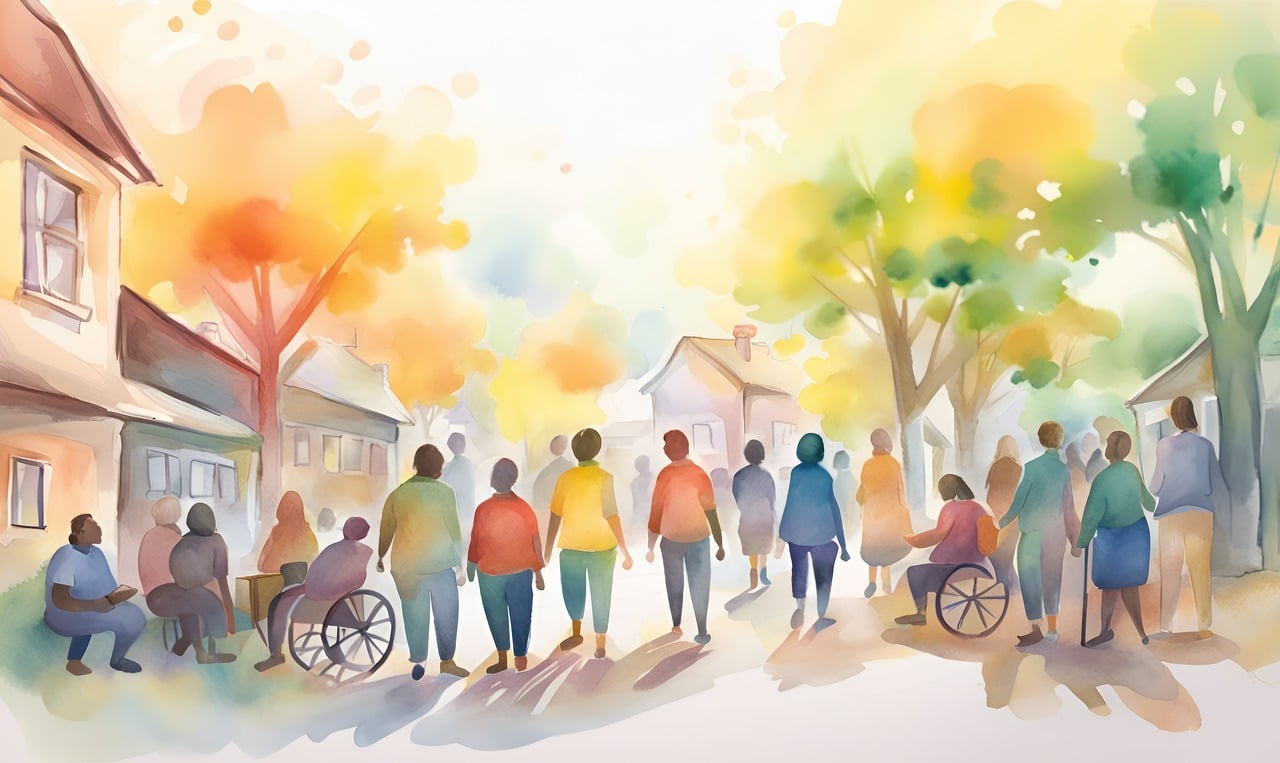
In today’s world, literacy is often taken for granted. It’s the key that opens doors to opportunity, communication, and personal growth. Yet, for many in our communities, that key remains elusive. Illiteracy affects millions of adults and children, creating barriers to success that are difficult to overcome. Thankfully, organizations like Words of Hope are stepping up to address this issue, striving to make a meaningful impact.
Through grassroots efforts, partnerships with schools, and community programs, Words of Hope is tackling illiteracy head-on. Their mission is clear: to provide accessible resources, foster a love for reading, and equip individuals with the skills they need to thrive. Let’s take a closer look at how this initiative is changing lives and shaping brighter futures for countless individuals.
A Growing Crisis
First and foremost, it’s important to understand the scope of the problem. Illiteracy isn’t just a minor inconvenience—it’s a widespread crisis that affects not only the individual but also society as a whole. Studies show that an estimated 773 million adults worldwide lack basic literacy skills, and even in countries with advanced education systems, illiteracy rates can be shockingly high. For instance, in the United States, around 21% of adults are considered functionally illiterate, meaning they can read at only a fifth-grade level or below. This often limits their ability to participate fully in everyday activities, such as reading instructions, understanding medication labels, or even filling out job applications.
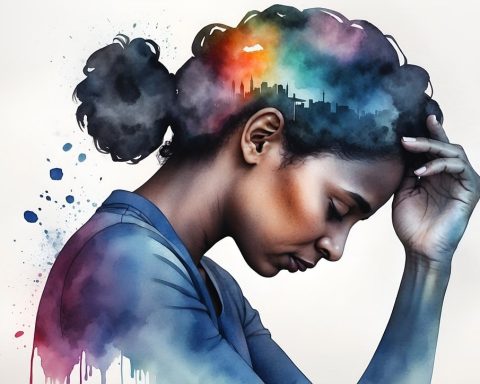
Moreover, illiteracy often perpetuates cycles of poverty. Without the ability to read, individuals struggle to obtain higher-paying jobs, access healthcare, or even help their children with schoolwork. As one might imagine, this creates a ripple effect across generations, making it incredibly difficult to break the cycle.
Recognizing the importance of literacy in improving quality of life, Words of Hope has made it their mission to combat illiteracy through targeted and community-driven approaches.
The Role of Words of Hope
At the heart of Words of Hope is the belief that literacy is a human right. Since its inception, the organization has worked tirelessly to provide reading and educational opportunities for those most in need. What sets them apart is their commitment to working directly with communities, understanding the specific challenges they face, and tailoring their programs accordingly.
One of the core initiatives of Words of Hope is their community literacy workshops. These workshops are designed for both children and adults, offering a safe, inclusive environment for individuals to improve their reading and writing skills. Many of these workshops are held in local libraries, community centers, or schools, making them easily accessible. Additionally, the organization provides mobile learning units to reach rural or underserved areas where access to education is particularly limited.
Furthermore, Words of Hope partners with local schools to provide after-school tutoring programs. These programs focus on students who are struggling with reading and writing, giving them the extra support they need to succeed academically. By addressing illiteracy at an early age, the organization is helping to prevent future generations from falling into the same cycle of educational disadvantage.
Grassroots Efforts and Community Engagement
Another reason for the success of Words of Hope is its emphasis on community engagement. The organization recognizes that no two communities are alike, and therefore, they adopt a tailored approach to each area they serve. Volunteers are recruited from within the community itself, creating a sense of ownership and pride in the programs being offered. In many cases, these volunteers are former participants who have benefited from the program and want to give back by helping others on their literacy journey.
Community members are also encouraged to take part in reading circles—small, intimate gatherings where participants can read aloud, discuss books, and share their thoughts. This not only helps build reading skills but also fosters a sense of camaraderie and belonging. For many, these reading circles are the first time they’ve experienced the joy of reading for pleasure, which can have a lasting impact on their lifelong relationship with books.
Transitioning from volunteer-driven initiatives, Words of Hope also collaborates with local businesses and nonprofits to expand its reach. Through partnerships with libraries, educational institutions, and even healthcare providers, the organization ensures that literacy programs are integrated into various aspects of community life. This holistic approach helps create a supportive ecosystem where individuals can continuously improve their literacy skills.
Tackling Digital Illiteracy
While traditional literacy remains a central focus, Words of Hope has also recognized the growing importance of digital literacy in today’s tech-driven world. Many of the individuals they serve not only struggle with reading and writing but also face challenges navigating the digital landscape. This is particularly concerning given how essential technology has become in areas like employment, education, and healthcare.
In response, Words of Hope has launched several initiatives aimed at bridging the digital divide. These include computer literacy workshops where participants can learn essential skills like typing, using email, and navigating the internet. For older adults or those unfamiliar with modern technology, these skills can be life-changing, providing new opportunities for communication, learning, and employment.
By addressing both traditional and digital illiteracy, Words of Hope is equipping individuals with the tools they need to thrive in an increasingly interconnected world. Transitioning into the digital age can be daunting, but with the right support, it becomes a stepping stone toward a more empowered future.
The Power of Hope
Perhaps the most powerful aspect of Words of Hope is their unwavering belief in the potential of every individual. Their name itself reflects their mission: to bring hope through words. Each person who enters their programs is treated with respect, compassion, and the belief that they can overcome the obstacles they face.
Many participants have gone on to achieve remarkable things after improving their literacy skills. Whether it’s securing a job, enrolling in higher education, or simply being able to read to their children, the ripple effects of literacy are profound. As one participant shared, “Words of Hope didn’t just teach me to read—they gave me my life back.”
Moving Forward
In conclusion, illiteracy remains a significant challenge, but organizations like Words of Hope are providing the support needed to overcome it. Their grassroots efforts, community-focused programs, and commitment to digital literacy are making a tangible difference in the lives of individuals across the country. As more people gain access to these vital resources, the hope is that we can break the cycle of illiteracy for good, creating stronger, more empowered communities in the process.
If you’re interested in supporting Words of Hope or learning more about their programs, there are numerous ways to get involved. From volunteering your time to donating resources, every contribution helps pave the way for a brighter, more literate future.