

Violence prevention in schools is a critical concern that requires proactive measures to ensure the safety and well-being of students, staff, and the entire school community. In this blog post, we explore effective strategies for preventing violence, the importance of school security, community involvement, and fostering a safe and supportive learning environment.
Understanding Violence Prevention in Schools
Violence prevention in schools encompasses a range of strategies and initiatives aimed at reducing incidents of bullying, harassment, physical altercations, and more severe threats such as shootings or attacks. It involves creating a culture of respect, empathy, and proactive intervention to address potential risks and promote positive behavior among students.
Importance of School Security
- Creating a Safe Learning Environment
School security measures, such as access control, surveillance systems, and emergency response protocols, are essential for creating a safe and secure learning environment. They help mitigate risks and ensure that students can focus on their academic and personal growth without fear or disruption.
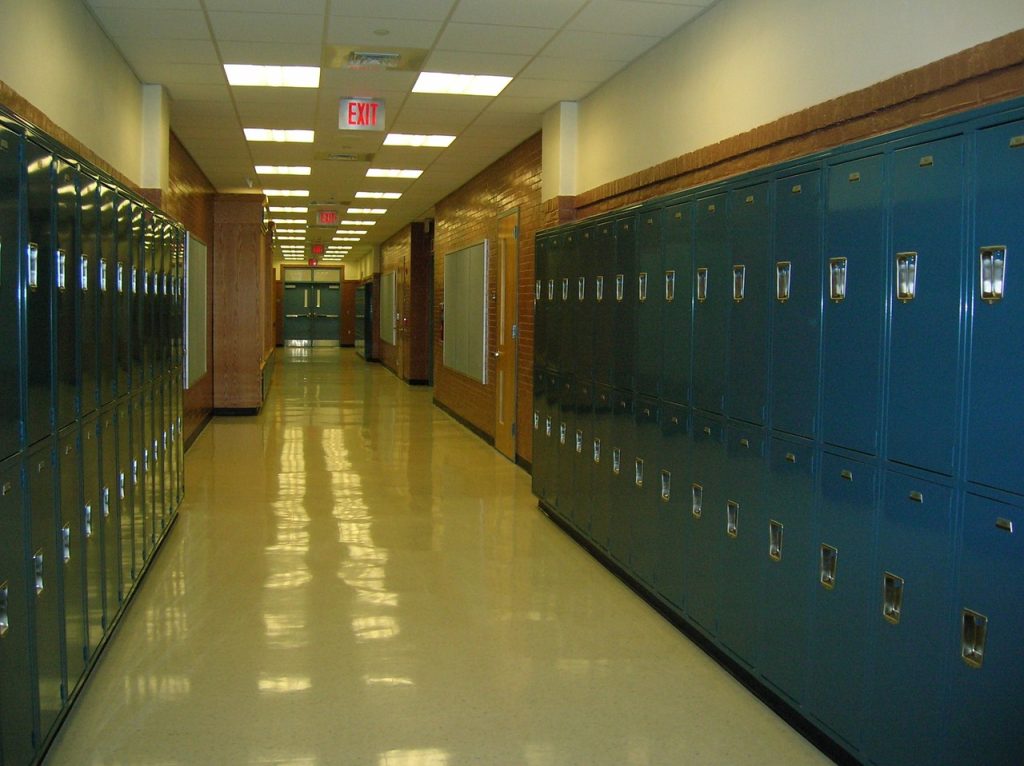

Example: Comprehensive Security Assessments
Conduct regular security assessments to identify vulnerabilities and implement appropriate measures, such as improving campus lighting, securing entrances, and updating emergency communication systems.
- Supporting Mental Health and Well-being
Effective violence prevention includes supporting the mental health and well-being of students. By addressing underlying issues such as stress, anxiety, and social isolation, schools can reduce the likelihood of aggressive behavior and promote positive interactions among peers.
Example: Counseling and Support Services
Offer counseling services, peer mediation programs, and social-emotional learning initiatives to equip students with skills to manage conflicts constructively and seek help when needed.
Strategies for Violence Prevention
- Promoting Positive School Climate
Foster a positive school climate through inclusive policies, anti-bullying initiatives, and restorative justice practices. Encourage respect, empathy, and tolerance among students through curriculum integration and extracurricular activities.
Example: Peer Support Groups
Establish peer support groups or buddy systems where students mentor each other, promote kindness, and intervene in bullying situations. Empower students to be active bystanders and report concerns to trusted adults.
- Implementing Crisis Intervention Plans
Develop and implement crisis intervention plans that outline clear protocols for responding to threats, emergencies, or potential violence. Ensure staff are trained in emergency response procedures and collaborate with law enforcement for coordinated responses.
Example: Active Shooter Drills
Conduct active shooter drills and lockdown procedures to familiarize students and staff with emergency protocols. Simulate scenarios to practice evacuation routes, shelter-in-place strategies, and communication methods during crises.
Community Involvement and Support
- Engaging Parents and Guardians
Involve parents and guardians in violence prevention efforts through workshops, informational sessions, and community forums. Build partnerships to promote safety awareness, share resources, and strengthen communication channels.
Example: Parent Education Workshops
Host workshops on recognizing signs of distress, supporting positive behavior at home, and reinforcing school values of respect and responsibility. Encourage parental involvement in school safety committees or advisory boards.
- Collaborating with Community Partners
Collaborate with local law enforcement, mental health providers, and community organizations to enhance violence prevention strategies and support services. Develop crisis response teams and establish mutual aid agreements for emergencies.
Example: School Resource Officers (SROs)
Partner with School Resource Officers (SROs) who serve as liaisons between schools and law enforcement agencies. SROs provide security expertise, conduct safety assessments, and build relationships with students to promote trust and safety.
Impact of Effective Violence Prevention
- Enhancing Student Well-being
Effective violence prevention contributes to improved student well-being, mental health, and academic performance. Students feel safer, more connected to their school community, and empowered to succeed academically and socially.
- Strengthening Community Resilience
Schools serve as anchors within communities, fostering resilience and collaboration in times of crisis or adversity. By prioritizing violence prevention and safety initiatives, schools build trust, support, and shared responsibility for student welfare.
Challenges and Considerations
Implementing effective violence prevention strategies may face challenges such as:
- Balancing Security Measures with Positive School Climate
Striking a balance between security measures and maintaining a welcoming, inclusive school environment requires thoughtful planning and stakeholder input. Ensure policies and practices promote safety without compromising student engagement or emotional well-being.
- Addressing Funding and Resource Constraints
Limited funding and resources can impact the implementation of comprehensive violence prevention initiatives. Advocate for funding support, explore grant opportunities, and prioritize investments based on identified risks and community needs.
Conclusion
Violence prevention in schools is a shared responsibility that requires collaboration, vigilance, and a commitment to fostering safe and supportive learning environments for all. By implementing proactive strategies, engaging community stakeholders, and supporting student well-being, schools can mitigate risks, promote positive behaviors, and empower students to thrive.