

In today’s fast-paced world, teaching life skills is more important than ever. These skills are crucial for students to navigate everyday challenges and achieve success both in and out of the classroom. However, integrating life skills into your curriculum can sometimes be a daunting task. Fortunately, with the right approach and a bit of creativity, educators can make learning life skills an engaging and enjoyable experience. In this post, we’ll explore effective strategies for teaching life skills in a casual, relatable way.
Why Teaching Life Skills is Essential
First and foremost, let’s understand why teaching life skills is so important. Life skills encompass a wide range of abilities that help individuals manage their personal and professional lives effectively. These skills include communication, problem-solving, time management, financial literacy, and emotional intelligence, among others.
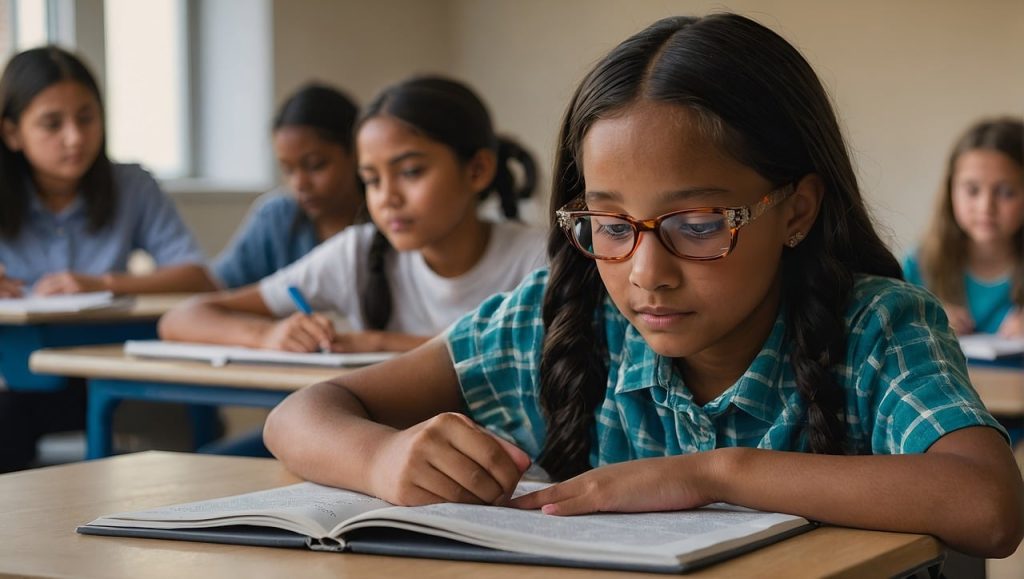

By teaching life skills, we equip students with the tools they need to make informed decisions, build healthy relationships, and handle various challenges. Moreover, life skills are not just for academic success; they are essential for overall well-being and personal growth.
Starting with the Basics
When it comes to teaching life skills, it’s essential to start with the basics. Begin by identifying the core life skills that are most relevant to your students’ needs. For instance, basic skills like communication, critical thinking, and time management are foundational and can be built upon as students progress.
Introduce these skills through simple, relatable activities. For example, role-playing exercises can help students practice effective communication and conflict resolution. Time management can be taught through project-based learning, where students must plan and execute tasks within a given timeframe.
Creating a Life Skills Curriculum
Creating a structured life skills curriculum is crucial for systematic learning. Develop a curriculum that covers various life skills in a progressive manner. Start with foundational skills and gradually introduce more complex abilities as students become more confident.
Incorporate life skills into your existing subjects. For example, financial literacy can be taught in math class, while communication skills can be integrated into language arts. By weaving life skills into different subjects, you make learning more relevant and engaging.
Using Real-Life Scenarios
One of the most effective ways to teach life skills is through real-life scenarios. Create activities and projects that mimic real-world situations, allowing students to apply what they’ve learned in practical contexts. This approach not only reinforces their skills but also makes learning more engaging.
For instance, set up a mock grocery store to teach budgeting and financial literacy. Give students a set amount of “money” and a shopping list, and have them make decisions on what to buy. This hands-on activity helps students understand the value of money and the importance of making informed financial choices.
Encouraging Collaboration
Collaboration is key to teaching life skills. Many life skills, such as teamwork, communication, and problem-solving, are best learned through collaborative activities. Encourage group work and projects that require students to work together towards a common goal.
For example, organize group projects where students must collaborate to achieve a specific task. This could be anything from planning a class event to working on a community service project. Through these activities, students learn how to communicate effectively, resolve conflicts, and work as a team.
Incorporating Technology
In today’s digital age, incorporating technology into life skills education is essential. Use digital tools and resources to make learning more interactive and accessible. There are numerous apps and online platforms designed to teach various life skills.
For example, use budgeting apps to teach financial literacy. These apps allow students to create virtual budgets, track expenses, and make financial decisions in a controlled environment. Similarly, digital planners and project management tools can help students develop time management and organizational skills.
Fostering Emotional Intelligence
Emotional intelligence is a critical life skill that helps students manage their emotions, build healthy relationships, and navigate social situations. Teaching emotional intelligence involves helping students recognize and understand their emotions and those of others.
Introduce activities that promote self-awareness and empathy. For instance, use journaling exercises to encourage students to reflect on their feelings and experiences. Role-playing scenarios can also help students practice empathy and understand different perspectives.
Encouraging Independent Learning
Encouraging independent learning is essential for developing self-reliant individuals. Provide opportunities for students to take responsibility for their own learning and make decisions about their education.
For example, implement self-directed projects where students choose a topic of interest and explore it independently. Provide guidance and resources, but allow them to take the lead. This approach fosters independence, critical thinking, and problem-solving skills.
Promoting Healthy Habits
Teaching life skills also involves promoting healthy habits that contribute to overall well-being. Encourage students to develop habits such as regular exercise, healthy eating, and good sleep hygiene.
Incorporate physical activity into your daily routine. For example, start each class with a short exercise or mindfulness session. Discuss the importance of a balanced diet and proper sleep, and provide tips for maintaining these habits. By promoting healthy lifestyles, you help students develop a strong foundation for long-term well-being.
Connecting with the Community
Connecting with the community is a powerful way to teach life skills. Community involvement provides students with real-world experiences and opportunities to apply their skills in meaningful ways.
Organize community service projects that allow students to give back while learning valuable skills. For example, volunteering at a local shelter or organizing a community clean-up can teach responsibility, empathy, and teamwork. Additionally, invite community members to speak about their experiences and share insights on various life skills.
Providing Continuous Feedback
Continuous feedback is crucial for helping students develop their life skills. Provide regular, constructive feedback on their progress and areas for improvement. Celebrate their successes and offer support where needed.
Use a variety of assessment methods to evaluate their skills. This can include self-assessments, peer evaluations, and teacher observations. By providing continuous feedback, you help students stay motivated and focused on their personal growth.
Conclusion
Teaching life skills is an essential part of education that prepares students for success in all areas of life. By incorporating the strategies outlined in this post, you can create a dynamic and engaging learning environment that fosters the development of essential life skills. Remember, the goal is to make learning relevant, enjoyable, and accessible. With the right approach, you can help your students develop the skills they need to thrive in today’s world and beyond.