Ntrumoc25
Bullying is a pervasive issue that affects millions of children and adolescents worldwide. It can take many forms, from physical violence and verbal abuse to social exclusion and cyberbullying. Regardless of the form it takes, bullying can have a devastating impact on a person’s well-being.
This blog post aims to be a resource for both the targets of bullying and the bystanders who witness it. Here, we’ll explore what bullying is, its various forms, and the lasting effects it can have. We’ll also delve into strategies for bystanders to intervene safely and how targets can build resilience and seek help.
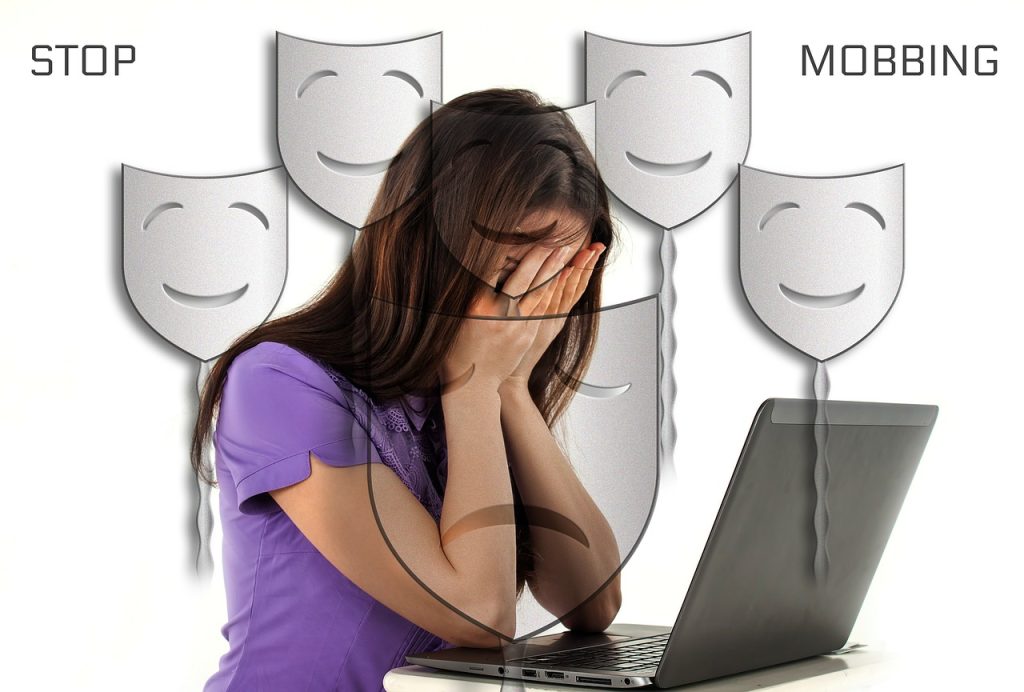
Understanding Bullying
First, let’s establish a clear definition of bullying. Bullying is a repetitive, intentional behavior aimed at hurting another person physically, emotionally, or socially. It involves an imbalance of power, with the bully being stronger or having more social influence than the target.
Here’s a breakdown of the key characteristics of bullying:
- Repetitive: Bullying doesn’t happen just once. It’s a persistent pattern of behavior.
- Intentional: The bully has a deliberate aim to inflict harm.
- Power Imbalance: The bully holds more power over the target. This could be physical strength, social status, or access to information.
- Harm: Bullying causes physical, emotional, or social harm to the target.
The Different Faces of Bullying
Bullying can manifest in various ways, both online and offline. Here are some of the most common types:
- Physical Bullying: This involves hitting, kicking, shoving, spitting, or any other form of physical assault.
- Verbal Bullying: This includes name-calling, teasing, insults, and threats.
- Social Bullying: Excluding someone from social activities, spreading rumors, or damaging someone’s reputation fall under this category.
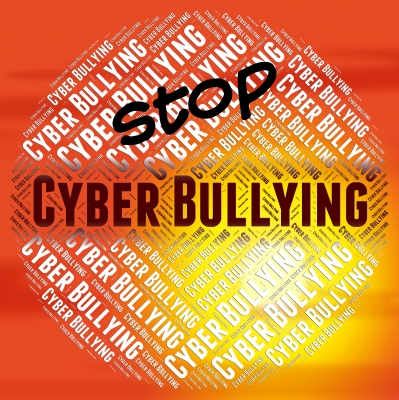
- Cyberbullying: Using technology to harass, threaten, or embarrass others online. This can include sending mean text messages, posting embarrassing photos or videos, or creating fake social media profiles to impersonate the target.
The Devastating Impact of Bullying
The effects of bullying can be long-lasting and far-reaching. Targets of bullying may experience:
- Low self-esteem and depression
- Anxiety and fear
- Social isolation and loneliness
- Academic difficulties
- Physical health problems, such as headaches and stomachaches
- Thoughts of suicide
Bystanders: The Power of Intervention
Witnessing bullying can be a difficult situation. Bystanders often feel helpless or unsure of how to intervene. However, their actions, or lack thereof, can significantly impact the situation.
Here are some strategies for bystanders who witness bullying:
- Show support to the target: Let the target know you see what’s happening and that you care. Offer a listening ear or simply sit with them for companionship.
- Report the bullying: Inform a trusted adult, such as a teacher, counselor, or parent.
- Distract the bully: Try to divert the bully’s attention with a question or a comment that takes the focus away from the target.
- Become an ally: Stand up for the target in a safe way. This could involve simply saying, “Leave them alone,” or joining the target in an activity.
Remember: Don’t put yourself in danger when intervening. If the situation feels unsafe, report the bullying to a trusted adult.
Empowering Targets to Build Resilience
Being a target of bullying can be emotionally draining. Here are some tips for targets to build resilience and cope with the situation:
- Tell someone you trust: Don’t suffer in silence. Talk to a parent, teacher, counselor, or another trusted adult about what’s happening.
- Document the bullying: Keep a record of the incidents, including the date, time, location, and what happened. This can be helpful evidence if you need to report the bullying.
- Focus on your strengths: Remind yourself of your positive qualities and the things you’re good at.
- Build a support system: Surround yourself with positive and supportive people who care about you.
- Develop coping mechanisms: Find healthy ways to manage stress and difficult emotions. This could involve exercise, relaxation techniques, or creative activities.
Seeking Help
If you are being bullied or know someone who is, there are resources available to help. Here are some resources you can reach out to:
- StopBullying.gov: