

Effective classroom management is a crucial aspect of creating a productive learning environment. Smooth transitions between activities can greatly impact student engagement and overall academic success.

Understanding Classroom Management
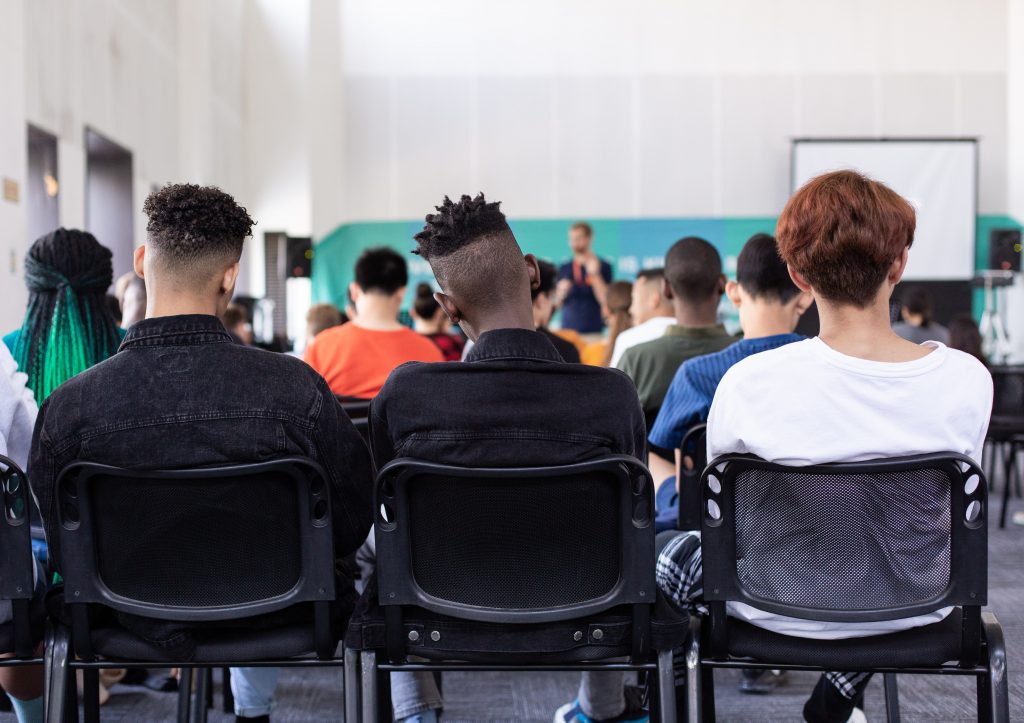
Classroom management encompasses the strategies and techniques employed by teachers to establish an ideal learning environment. It involves creating a conducive atmosphere where students can thrive academically and socially.
Establishing Clear Expectations
To ensure smooth transitions, it is essential to set clear classroom rules and procedures. These guidelines provide students with a framework for appropriate behavior and help maintain order during transitions.
- Setting Classroom Rules and Procedures: Clearly define expectations for student conduct during various activities. Develop rules that foster a respectful and inclusive environment.
- Examples include: “Raise your hand before speaking,” or “Listen attentively when others are speaking.”
- Communicating Expectations to Students: Effectively communicate the rules and procedures to students. Explain the importance of adhering to these expectations for a successful learning experience.
Developing Positive Relationships
Building strong relationships with students is crucial for effective classroom management and smooth transitions. When students feel connected to their teacher and classmates, they are more likely to be cooperative and engaged.
- Building Rapport with Students: Establish meaningful connections with students through daily interactions. Show genuine interest in their lives and demonstrate empathy and understanding.
- Fostering a Sense of Community within the Classroom: Encourage collaboration and teamwork among students to develop a supportive classroom community. Engage students in group activities and discussions that promote a sense of belonging.
Creating Engaging Lesson Plans
Engaging lesson plans play a significant role in minimizing disruptions during transitions. When lessons are interactive and relevant, students are more likely to be enthusiastic and eager to participate.
- Incorporating Interactive Activities and Group Work: Integrate hands-on activities and collaborative projects into lesson plans. This approach fosters active student engagement and reduces potential behavioral issues during transitions.
- Utilizing Technology to Enhance Student Engagement: Leverage technology tools and resources to make lessons more interactive and engaging. Digital platforms, educational apps, and multimedia resources can captivate students’ interest and facilitate transitions.
Implementing Effective Transitions
The seamless flow between activities is essential for maintaining student focus and minimizing disruptions. Teachers must implement strategies that ensure smooth transitions throughout the school day.
- Importance of Smooth Transitions Between Activities: Smooth transitions save valuable instructional time and maintain the momentum of the lesson. They help students stay engaged and focused on the task at hand.
- Strategies for Minimizing Disruptions During Transitions: Prepare students in advance for transitions by providing clear instructions and expectations. Utilize transition cues, such as timers or signals, to indicate when a new activity is about to begin. Establish routines and rituals that create a smooth transition process.
Structuring Time and Routines
A consistent and predictable daily schedule with effective routines helps students understand the flow of the day and reduces anxiety during transitions.
- Establishing a Consistent Daily Schedule: Design a well-organized daily schedule that outlines the timing and sequencing of activities. This structure provides students with a sense of control and predictability.
- Creating Effective Routines for Common Classroom Tasks: Develop routines for common classroom tasks, such as distributing materials, transitioning between subjects, and preparing for dismissal. Establishing clear expectations and practicing routines regularly can lead to smoother transitions.
Proactive Behavior Management
Anticipating and addressing potential behavior issues in advance is key to effective classroom management. By implementing preventive strategies, teachers can promote positive behavior and minimize disruptions during transitions.
- Identifying and Addressing Potential Behavior Issues in Advance: Observe student behavior patterns and identify potential triggers. Develop proactive interventions to address challenging behaviors before they escalate.
- Implementing Preventive Strategies to Promote Positive Behavior: Create a positive classroom climate by acknowledging and reinforcing appropriate behavior. Teach social and emotional skills that can help students navigate transitions effectively.
Reinforcing Positive Behavior
Recognizing and reinforcing positive behavior is a powerful tool for fostering a positive classroom climate and reducing disruptive behavior during transitions.
- Utilizing Rewards and Recognition Systems: Implement a system that acknowledges and rewards students for meeting expectations during transitions. This can include verbal praise, small incentives, or a point-based reward system.
- Incorporating Praise and Encouragement into Everyday Interactions: Take every opportunity to praise and encourage students for their positive behavior during transitions. This boosts their self-esteem, motivation, and overall engagement.
Managing Challenging Behavior
Inevitably, teachers will encounter challenging behavior that disrupts smooth transitions. It is essential to have strategies in place to address these behaviors effectively.
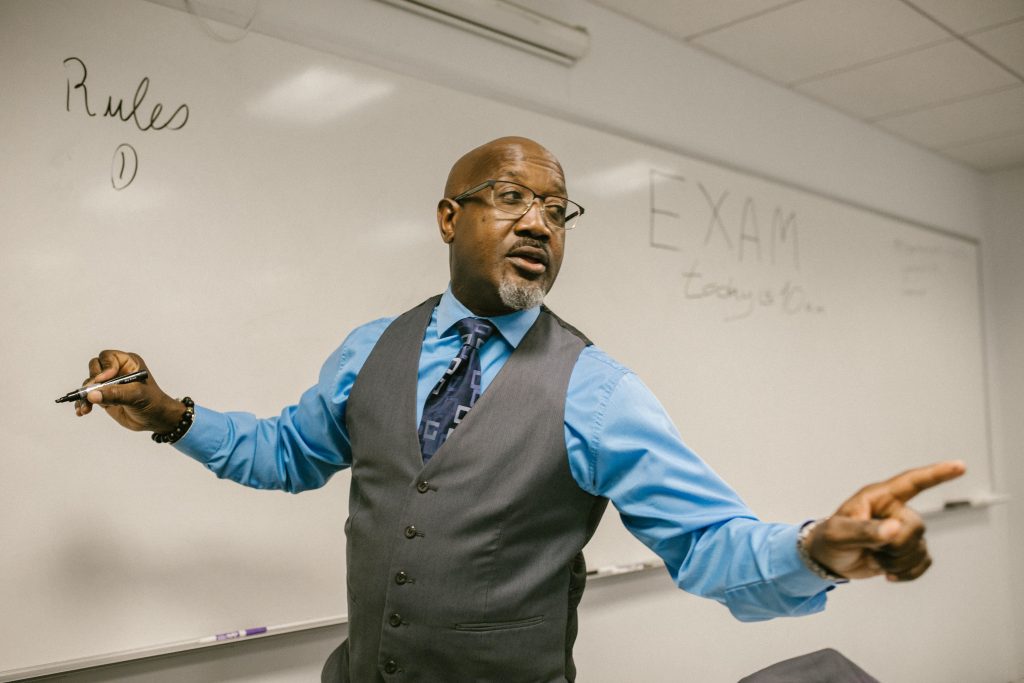
- Strategies for Addressing Disruptive Behavior: Implement a variety of proactive and reactive strategies to address disruptive behavior during transitions. These may include behavior contracts, individualized behavior plans, or additional support from school personnel.
- Implementing Appropriate Consequences and Interventions: Consistently and fairly apply consequences for rule violations during transitions. These consequences should be designed to promote reflection, learning, and behavior change.
Emphasizing Active Listening
Active listening skills play a vital role in effective classroom management, particularly during transitions. When students feel heard and understood, they are more likely to follow instructions and engage in the next activity.
- The Role of Active Listening in Effective Classroom Management: Active listening fosters a positive teacher-student relationship and creates an environment where students feel valued and respected. It is a foundational skill for successful transitions.
- Techniques to Improve Student Engagement through Active Listening: Model active listening by maintaining eye contact, nodding affirmatively, and paraphrasing student responses. Encourage students to actively listen to their peers, promoting a culture of respect and collaboration.
Engaging Parental Involvement
Involving parents in classroom management enhances the overall effectiveness of transitions. When parents have a clear understanding of expectations and support the teacher’s efforts, students are more likely to transition smoothly.
- Importance of Involving Parents in Classroom Management: Collaborating with parents creates a strong support system that reinforces classroom expectations. It fosters a sense of partnership between home and school.
- Effective Communication Strategies with Parents: Establish open lines of communication with parents through newsletters, conferences, and regular updates. Share information about classroom procedures and expectations, seeking input and support.
Creating a Supportive Classroom Environment
Creating a supportive classroom environment is essential for meeting the diverse needs of all students during transitions. By incorporating inclusive practices, teachers can promote a sense of belonging and ensure smooth transitions for students with different abilities.
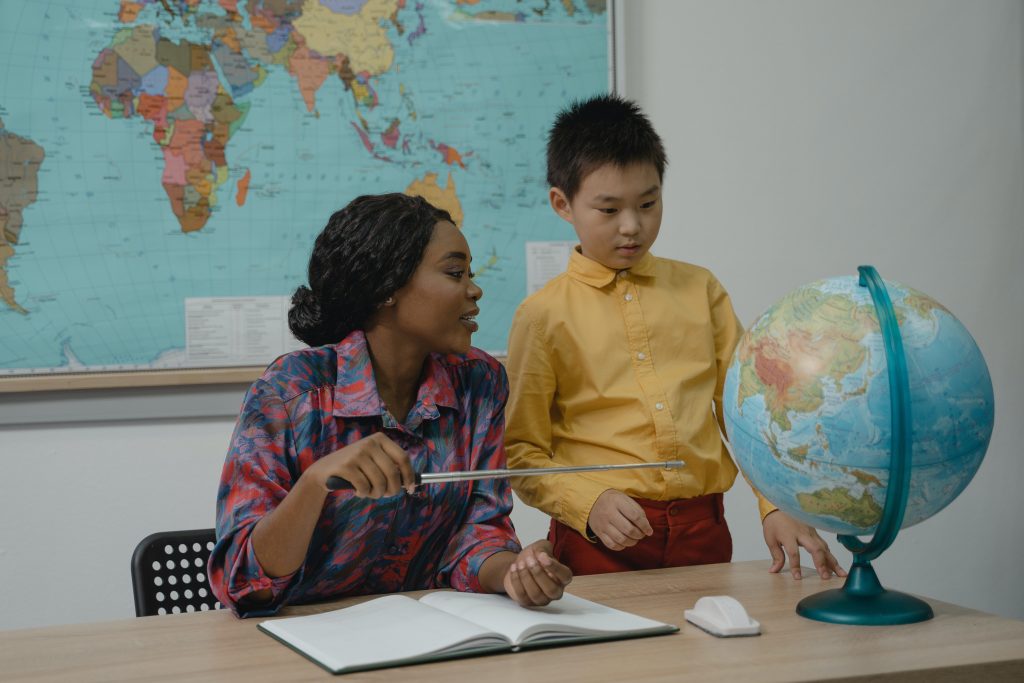
- Incorporating Inclusive Practices to Meet Diverse Needs: Create an inclusive classroom environment that honors and celebrates the strengths and differences of all students. Implement universal design strategies to accommodate diverse learning styles during transitions.
- Providing a Safe and Supportive Emotional Environment: Foster a classroom culture that promotes emotional well-being. Encourage positive peer relationships, address bullying, and provide opportunities for students to express themselves safely.
Differentiation Strategies for Smooth Transitions
Differentiating instruction during transitions ensures that all students can successfully navigate between activities, regardless of their learning style or individual needs.
- Adapting Instruction for Students with Different Learning Styles: Tailor transition activities to different learning styles, including visual, auditory, and kinesthetic. Provide multiple options for students to engage with the material during transitions.
- Catering to Individual Needs During Transitions: Consider individual student needs, such as those with attention deficits, English language learners, or students with sensory sensitivities. Modify transitions to accommodate these needs and provide necessary support.
Self-Care for Teachers
Teachers’ well-being is fundamental to effective classroom management. By prioritizing self-care, teachers can maintain their energy, enthusiasm, and resilience, ultimately leading to smoother transitions.
- Importance of Self-Care in Maintaining Effective Classroom Management: Teachers who take care of their physical, emotional, and mental well-being are better equipped to handle the demands of the classroom. Self-care enhances their ability to manage transitions effectively.
- Strategies for Promoting Teacher Well-Being and Reducing Burnout: Encourage teachers to prioritize self-care practices such as exercise, mindfulness, and maintaining a healthy work-life balance. Provide support and resources to foster teacher well-being.
Addressing Special Education Needs
Teachers must develop strategies to support students with special needs during transitions. Collaborating with special education professionals can provide valuable insights and guidance.
- Developing Strategies to Support Students with Special Needs During Transitions: Individualize transition plans for students with special education needs, taking into account their unique abilities, challenges, and support requirements.
- Collaborating with Special Education Professionals for Effective Management: Establish open lines of communication and collaborate closely with special education professionals. Seek their expertise in creating appropriate supports and accommodations for students with special needs during transitions.
Utilizing Technology for Transitions
Technology can be a valuable tool for enhancing classroom management and facilitating smoother transitions between activities.
- Tools and Apps to Enhance Classroom Management: Explore educational technology tools and apps specifically designed to streamline transitions. These resources can include timers, behavior tracking apps, or digital schedule boards.
- Implementing Digital Resources for Smoother Transitions: Utilize digital resources such as online timers or digital visual schedules to support transitions. These resources can enhance student engagement, time management, and organization.
Summary
In summary, mastering classroom management is crucial for achieving smooth transitions in the classroom. By implementing the 10 essential guidelines outlined in this article, teachers can create a supportive learning environment that promotes student engagement, reduces disruptions, and enhances academic success.
FAQs
How long does it take to establish effective classroom management?
The time required to establish effective classroom management varies based on several factors, including the teacher’s experience, the students’ backgrounds, and the overall classroom dynamics. Consistency and continued implementation of strategies are key to establishing a strong foundation for effective management.
What if a student consistently breaks classroom rules despite interventions?
When a student consistently breaks classroom rules, it is important to address the behavior promptly and consistently. Collaborate with the student, their parents, and any relevant support personnel to develop additional interventions and reinforce behavioral expectations.
How can technology help with classroom management?
Technology can enhance classroom management by providing tools for time management, behavior tracking, and communication. It can simplify routine tasks, aid in data collection, and increase student engagement through interactive digital resources.
How can teachers handle transitions effectively with large class sizes?
Handling transitions with large class sizes requires careful planning, organization, and clear communication. Strategies such as using visual cues, leveraging technology, and assigning transition roles to students can help manage the flow of large groups during transitions.
Conclusion
Mastering the art of classroom management is a continuous journey for educators. By implementing the guidelines suggested in this article, teachers can create an environment that promotes smooth transitions, fosters student engagement, and supports academic success. Continuous improvement and adaptation of these strategies will lead to a more effective and enjoyable learning experience for both teachers and students.