
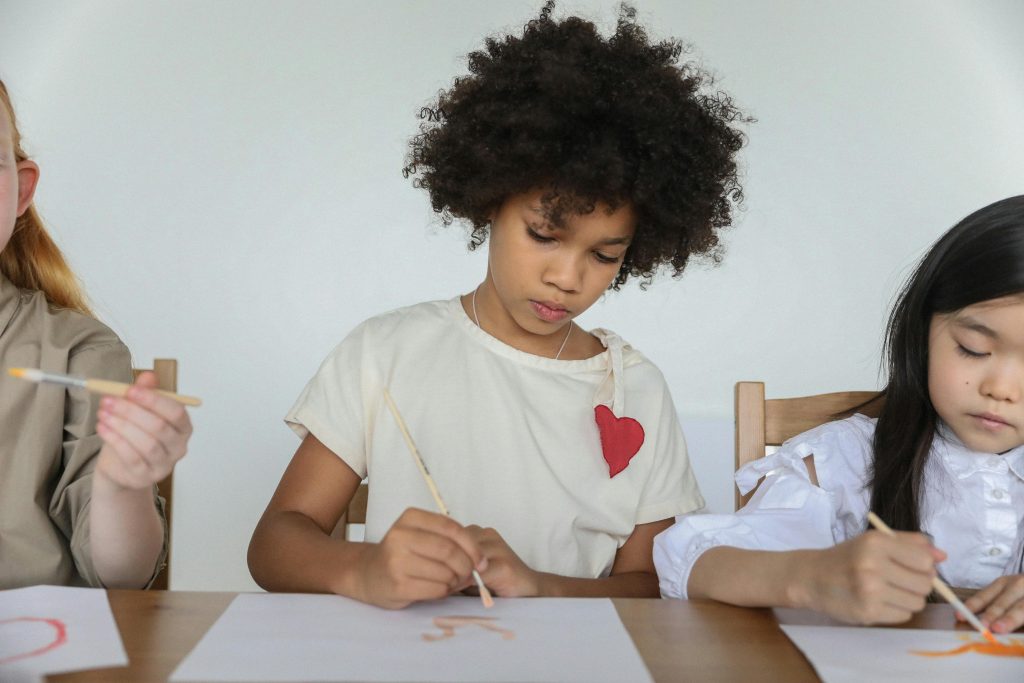
In today’s multifaceted educational landscape, differentiated learning stands out as a crucial methodology for fostering an inclusive and effective learning environment. Educators face the challenge of addressing the diverse educational needs of students within a single classroom. This blog post delves into proven strategies and cutting-edge tools that empower teachers to tailor their instruction to meet the unique learning styles and abilities of each student.
Understanding Differentiated Learning
Differentiated learning is an instructional theory that advocates teaching strategies which are attuned to the varied abilities, learning styles, and interests of students. The goal is to provide every student with the best individualized learning path, thereby enhancing learning outcomes and promoting educational equity.
Key Components of Differentiated Learning:
- Content Modification: Adjusting what students learn.
- Process Adaptation: Changing how students learn.
- Product Variation: Altering the output students are expected to produce.
Effective Strategies for Differentiated Learning
Differentiating instruction requires creativity and flexibility. Here are some strategies that have proven effective in diverse classrooms:
1. Use of Assessment to Inform Instruction
- Pre-Assessments: Identify students’ prior knowledge and skills before starting a new unit.
- Formative Assessments: Regularly check understanding throughout the teaching period to make adjustments as needed.
2. Flexible Grouping
- Rotate students through different groups based on their current needs, skills, or interests, allowing them to work with peers who have similar or different strengths.
3. Tailored Learning Experiences
- Offer multiple paths to learning, including reading, hands-on activities, visual aids, and technology-based options, to engage different types of learners.
4. Scaffolded Lessons
- Provide support structures or steps to help students make progress. These can be gradually removed as the learner becomes more proficient.
Innovative Tools for Differentiated Learning
Leveraging technology can significantly enhance differentiated learning. Here are some tools that facilitate personalization in the classroom:
1. Learning Management Systems (LMS)
- Platforms like Canvas, Google Classroom, and Blackboard allow for the creation of customized learning experiences that students can navigate at their own pace.
2. Interactive Software and Apps
- Tools such as Kahoot, Quizlet, and Edpuzzle provide interactive, multimedia-rich content that can be adapted for different learning levels.
3. Digital Portfolios
- Apps like Seesaw or Google Sites enable students to document their learning journeys and showcase their progress in a way that reflects their personal learning style.
Conclusion
Differentiated learning is not just a teaching strategy; it’s a commitment to recognizing and nurturing the unique potential of every student. By employing these strategies and tools, educators can create a classroom environment where all students feel valued, challenged, and supported. Implementing these techniques ensures that each student’s learning needs are met, ultimately paving the way for a more inclusive and effective educational experience.